The first step in EPAL pallets for international shipping is to understand what the pallet must do each day. The best design is not always the heaviest one. It is the design that gives support where the load and route need it. Indian supply chains often connect factories, warehouses, road transport, ports, and customer sites. The plan should also fit racks, aisles, forklifts, pallet trucks, and the pace of daily movement.
Teams should define weight, footprint, support points, route, equipment, and expected reuse. They should also agree on inspection and delivery needs. The team should use the heaviest normal case, not the easiest example. It should also note any special load that needs a separate design. This cuts late changes and makes quotes easier to compare.
A practical search for EPAL pallets manufacture in India should be followed by a review of drawings, load data, treatment needs, and quality controls. This review should cover the drawing, sample, tolerances, inspection method, and response to defects. A good pallet is not simply strong. It is fit for the product and the process. That practical view helps purchasing, quality, warehouse, and transport teams follow one plan.
Brief Overview
- Define export planning early so the chosen pallet matches the real product and route. Use clear checks for heat treatment instead of relying on a broad product label. Include marks and identification in the drawing, quote, order, and incoming review. Review documentation with purchasing, warehouse, quality, and transport teams. Treat EPAL specification as part of total performance, not only the first price.
How to Plan Export Planning and Heat Treatment
Review export planning before you approve the order. International movement adds rules, long routes, transfers, humidity changes, and extra handling to a normal pallet task. Use real data. Confirm destination needs, container plan, product protection, treatment, marks, and documents before production. A late export check can force repacking or delay a ready shipment. This helps the user team. The choice is easy to check. Later reviews take less time.
A sound pallet plan covers heat treatment. Export wood packaging may need approved treatment and marks under the rules of the destination market. Use one clear source of truth. Confirm the shipping country, current import need, treatment method, mark, and supporting record before dispatch. Missing or unclear treatment details can cause inspection issues, delay, or replacement at the last moment. This keeps work clear. Buyers gain more control. The same rule can be used again.
Managing Marks and Identification and Documentation in Daily Work
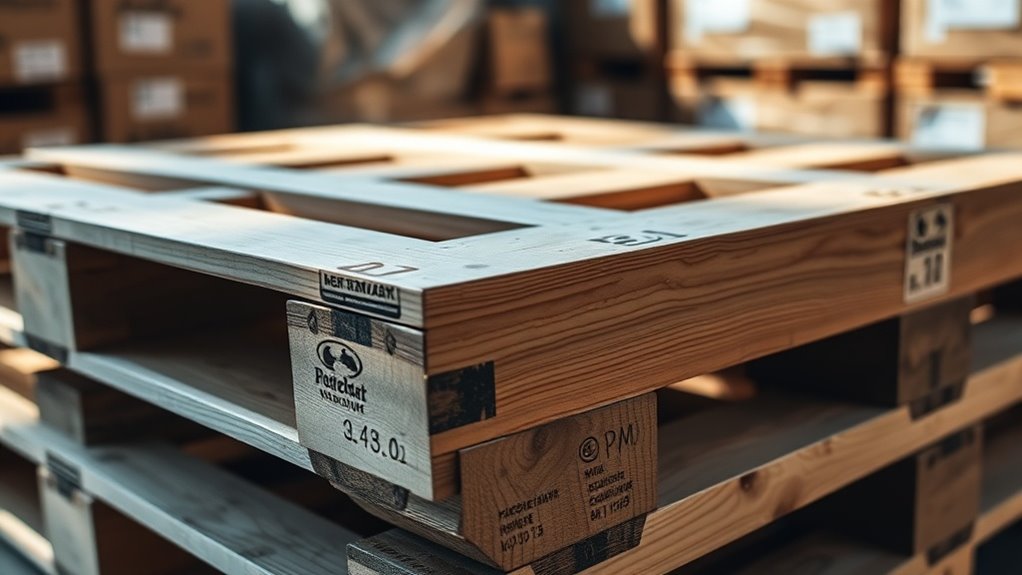
For EPAL pallets for international shipping, start with marks and identification. Clear marks help teams identify pallet type, treatment status, source, and any standard that applies. Check the point at work. Check that required marks are legible, correctly placed, and tied to valid records where needed. A copied, damaged, or unclear mark should never replace a proper quality check. This keeps work clear. Buyers gain more control. The same rule can be used again.
Review documentation before you approve the order. Drawings, purchase orders, treatment records, inspection notes, and delivery details form the history of a pallet order. Use real data. Use one approved specification and control revisions so purchasing, production, and receiving read the same information. Old drawings and verbal changes can create disputes even when both sides acted in good faith. This cuts doubt. The team can check the result. Repeat orders become easier.
Reviewing EPAL Specification and Handling Conditions Before Approval
Do not leave EPAL specification to chance. The common EPAL Euro pallet follows a controlled 1,200 by 800 millimetre format with defined parts, marks, and construction. Write the final rule down. Confirm the exact EPAL pallet type because the EPAL system includes more than one size and load carrier. Using the word Euro for every similar pallet can create confusion about compliance. This cuts doubt. The team can check the result. Repeat orders become easier.
For EPAL pallets for international shipping, start with handling conditions. Forklifts, pallet trucks, conveyors, racks, rough floors, and road travel place different forces on a pallet. Check the point at work. Describe the full route from packing line to final unload, not only the first lift. Buyers exploring skylar impex services can ask for a clear drawing, inspection points, and agreed delivery terms. Ignoring one handling stage can create damage at the least convenient point in the journey. This gives the buyer control. It keeps the process simple. The rule can guide repeat work.
Practical Steps for Incoming Inspection and Supplier Capability
Incoming inspection can change how the pallet performs. A quick check can find split boards, proud nails, loose blocks, contamination, wrong size, or unclear marks. Test the choice where needed. Use a simple receiving checklist and sample enough units to reflect the size and risk of the order. Accepting every load without review can move hidden defects into production or dispatch. This gives the buyer control. It keeps the process simple. The rule can guide repeat work.
Do not leave supplier capability to chance. A capable supplier should understand drawings, material needs, treatment, quality checks, volume, and delivery planning. Write the final rule down. Ask for clear specifications, samples when needed, production controls, and a contact for changes or claims. A low quote has little value if the pallet arrives late or does not match the agreed design. This makes the choice clear. The team can act with care. Future Wooden Pallets Manufacturer Hyderabad checks are easier.
Frequently Asked Questions
When should a team confirm handling conditions?
Confirm it before production or dispatch. Check it again when the product, route, volume, or equipment changes. Route-based design makes performance more consistent.
What record helps track export planning?
Use an approved drawing, order note, sample result, or check record. Confirm destination needs, container plan, product protection, treatment, marks, and documents before production. Keep each change clear and dated.
What is a common mistake with documentation?
A common mistake is using a broad guess or an old rule. Old drawings and verbal changes can create disputes even when both sides acted in good faith. Use one approved specification and control revisions so purchasing, production, and receiving read the same information.
Why does incoming inspection matter for EPAL pallets for international shipping?
A quick check can find split boards, proud nails, loose blocks, contamination, wrong size, or unclear marks. Accepting every load without review can move hidden defects into production or dispatch. A clear rule helps the team make a sound choice.
Can heat treatment affect total pallet cost?
Yes. Missing or unclear treatment details can cause inspection issues, delay, or replacement at the last moment. Early compliance checks make export planning smoother. Review both the first price and the effect on daily work.
Summarizing
EPAL pallets for international shipping works best when the pallet is treated as part of the full unit load. Define the product, weight, footprint, route, handling method, storage plan, and expected life. Then compare suppliers against one written requirement. This approach makes price, quality, and timing easier to judge.
Start with the points that create the highest risk, then test the choice in real work. Keep useful records and review damage or delay with facts. For teams in India, a steady process can support safer handling, clearer buying, and more reliable pallet supply.